start training via cna classes plainville ct
Discover Your Potential: A Complete Guide to CNA Education and Professional Opportunities
The path to becoming a CNA (Certified Nursing Assistant) offers a pathway to a rewarding career in healthcare. This guide outlines essential aspects such as identifying accredited courses, grasping core duties, and working through the certification journey. Highlighting crucial skills and ongoing education, future CNAs may investigate varied employment possibilities. However, the real question remains: what actions are needed to secure success in this pivotal role?
Start Your Journey: Discovering CNA Training
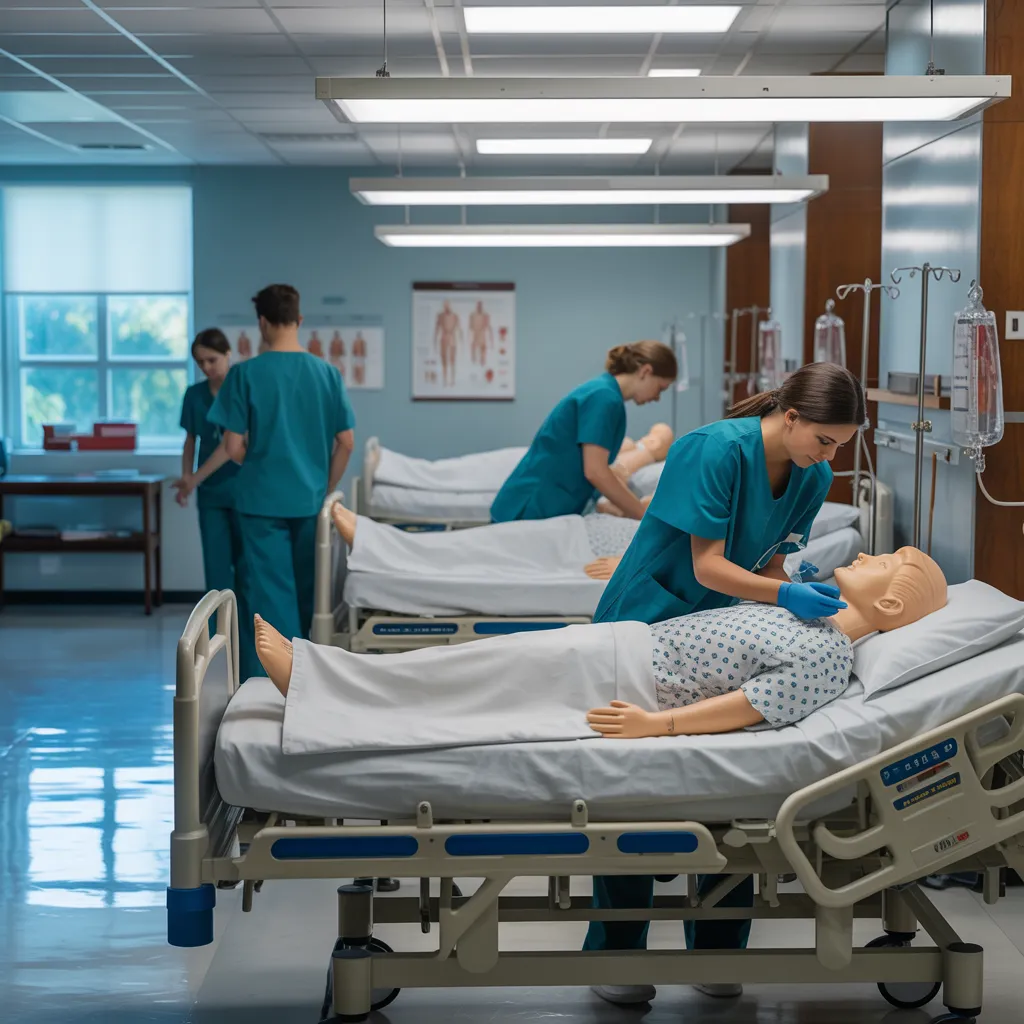
How does one commence on the path to pursuing a career as a Certified Nursing Assistant (CNA)? The journey typically starts by exploring certified CNA courses that comply with state standards. Future enrollees should consider factors such as cost, location, and course content. A wide range of healthcare facilities, community colleges, and trade schools offer these programs, differing in schedule and format, including online options.
Once programs are identified, candidates are required to validate their credentials by reviewing state licensing boards for authorization. Registration typically demands a high school diploma or GED, along with background checks and physical examinations.
After selecting a suitable program, students will participate in both hands-on clinical training and classroom instruction, which is vital for building the skills required for patient care. This critical phase not only equips students for the certification examination but also establishes the foundation for a fulfilling healthcare career.
What Is a CNA and Why Choose This Career?
A Professional Nursing Assistant (CNA) plays an essential role in the healthcare system by offering essential assistance to nursing staff and patients. Their duties encompass supporting patients with daily activities, tracking patient well-being, and ensuring comfort. Choosing a career as a CNA offers numerous benefits, including career stability, adaptable work hours, and opportunities for advancement in the healthcare industry.
Fundamental Responsibilities Of CNAs
Certified Nursing Assistants (CNAs) fulfill a significant role in the healthcare system, providing essential support to patients and nursing staff alike. Their primary responsibilities include helping patients with everyday tasks including bathing, dressing, and personal care, ensuring comfort and dignity. CNAs observe vital signs, relay updates on patients' conditions to the nursing team, and support mobility and physical activity. They additionally record patient care details and copyright a clean and secure environment. Moreover, CNAs commonly function as a vital channel of communication between patients and healthcare providers, representing patient needs and preferences. Their devotion and meticulous approach considerably elevate the level of care in healthcare facilities, rendering them essential contributors to the healthcare team.
Perks Of CNA Careers
The role of a Certified Nursing Assistant (CNA) offers numerous advantages, making it a compelling option for those entering the healthcare field. Those working as CNAs experience remarkable employment stability, given the growing need for qualified healthcare workers. The position offers a sense of personal satisfaction through hands-on patient interaction, allowing CNAs to make a meaningful impact on patients' lives. Additionally, the career path offers flexible scheduling, which is ideal for individuals managing personal or family responsibilities. The role also opens doors for professional growth through additional training, paving the way for advancement in the healthcare field. Competitive salaries and benefits enhance the overall appeal of this profession, allowing committed CNAs to experience both monetary and emotional gratification in their daily roles.
Core Skills and Duties of a CNA
Developing core competencies and fulfilling critical responsibilities shape the role of a CNA. Certified Nursing Assistants need to display exceptional communication proficiencies, empowering them to efficiently connect with patients, families, and healthcare professionals. Compassion and empathy are essential, as they provide emotional support to individuals facing health challenges.
Moreover, CNAs must focus on aiding patients with daily activities, such as eating, bathing, and dressing, while upholding their comfort and dignity. They are additionally expected to observe critical health indicators and inform nursing staff of any changes, highlighting their analytical thinking and attention to detail.
Strong time management and organizational skills are critical, as CNAs often handle numerous responsibilities in fast-paced environments. Furthermore, they must comply with safety and hygiene protocols to safeguard both themselves and those in their care. By cultivating these skills and fulfilling these responsibilities, CNAs make a significant contribution to providing exceptional patient care.
Mastering the CNA Certification Process
Navigating the CNA certification process necessitates a clear understanding of the precise requirements set by regulatory bodies. This includes fulfilling necessary coursework and satisfying clinical training hours. Properly fulfilling these criteria is vital for prospective CNAs to obtain their certification and progress professionally.
Navigating Certification Requirements
Grasping the certification standards for pursuing a career as a Certified Nursing Assistant (CNA) is vital for individuals pursuing nursing assistance. To achieve certification, candidates typically must successfully complete a state-accredited training course addressing both foundational theory and clinical competencies. After completing this step, individuals must clear a proficiency assessment that includes both theoretical and practical elements. Individual states establish their unique requirements regarding the certification process, including educational prerequisites, age criteria, and background screenings. It is critical for candidates to carefully study their state's guidelines to guarantee compliance. Furthermore, sustaining licensure often requires ongoing education and renewal processes, underscoring the significance of remaining aware of any updates to compliance standards. This core awareness lays the groundwork for a successful career in nursing assistance.
Finishing Clinical Training
Completing practical clinical preparation is a crucial step in the path to becoming a professional nursing assistant (CNA). This hands-on experience is critical for developing core competencies required in healthcare settings. During the clinical education process, students are guided by the oversight of qualified medical staff, becoming familiar with professional medical facilities. They acquire important techniques, such as taking vital signs, assisting with personal hygiene, and understanding patient needs. Furthermore, this training experience allows students to put into practice classroom-based knowledge obtained through formal instruction, reinforcing their understanding of optimal care procedures. The successful fulfillment of this training is often a requirement for credentialing examinations. Ultimately, this experience empowers aspiring CNAs with the skills and assurance required to thrive in their professional roles.
CNA Career Opportunities and Work Settings
CNA job opportunities are diverse, offering a range of work settings that cater to various interests and skills. Certified Nursing Assistants have employment options in hospitals, nursing homes, assisted living facilities, and home health care environments, each offering distinct challenges and fulfilling rewards. Within hospital settings, CNAs aid nursing staff through hands-on patient care and assistance with everyday tasks. Nursing homes and assisted living facilities focus on long-term care, where CNAs foster relationships with residents, enhancing their quality of life. The home health care setting enables CNAs to operate with greater independence, offering tailored care directly in patients' homes. Beyond these settings, CNAs can also explore opportunities in rehabilitation centers, schools, or hospice care, each calling detailed guide for a caring attitude and excellent communication skills. This wide range of options empowers CNAs to choose work settings that match their professional aspirations and personal interests, making the career path attractive to those new to healthcare.
Helpful Tips for Starting Your Career as a CNA
Transitioning into the role of a Certified Nursing Assistant professional can be both exciting and challenging for new professionals. To facilitate a smooth changeover, it is important to adopt certain strategies. First, gaining insight into the work culture can meaningfully strengthen interactions with colleagues and patients. Watching carefully and inquiring helps new nursing assistants adjust to their surroundings.
Establishing a routine is also beneficial; it assists in managing time effectively and ensuring that all tasks are completed. Building effective communication skills is essential, as CNAs frequently act as a link between patients and healthcare professionals. Furthermore, keeping an optimistic outlook can cultivate an encouraging environment, providing advantages for both the CNA and the individuals in their care.
Finally obtaining guidance from seasoned CNAs can offer meaningful guidance and actionable advice, making the transition more manageable. By adopting these strategies, new professionals can confidently accept their fresh obligations and excel in their positions as CNAs.
Ongoing Education and Professional Growth for CNAs
Enhancing skills through continued learning can significantly improve the career advancement of a CNA. By seeking further qualifications, CNAs can specialize in areas such as mental health, gerontology, or pediatrics, making them better positioned in the healthcare field. Numerous employers seek professionals with advanced qualifications, which can lead to enhanced employment security and elevated earning potential.
Furthermore, professional development programs frequently provide professional networking opportunities, enabling CNAs to connect with professionals and mentors in the healthcare field. Participating in seminars and conferences can further keep CNAs knowledgeable about the most recent advancements in patient care methods and regulations.
Additionally, many CNAs decide to progress in their careers by pursuing roles as licensed practical nurses (LPNs) or registered nurses (RNs), demanding continued education and training. This upward career trajectory not only boosts personal fulfillment but also contributes to the overall quality of care provided in healthcare settings, ultimately benefiting patients and the community.
Questions We Often Receive
What Is the Typical Salary for a CNA?
The standard pay for a CNA (Certified Nursing Assistant) typically ranges from $25,000 to $35,000 annually, influenced by factors like the type of healthcare facility, geographic location, and level of experience.
Are There Age Requirements to Enroll in CNA Classes?
Most states mandate students to be at least 18 to enroll in CNA classes. However, some programs may accept students as young as 16 with parental consent, enabling early entry into the healthcare field.
What Is the Typical Duration of CNA Programs?
CNA programs typically take four to twelve weeks to successfully complete, depending on the institution and course structure. This period incorporates both in-class instruction and real-world clinical experience, equipping students for their certification exams and career opportunities.
Can I Be Employed as a CNA While Pursuing My Education?
Indeed, students can work as a CNA while completing their education, provided they manage their time effectively. Several training programs accommodate flexible hours, allowing aspiring CNAs to build real-world experience in tandem with their coursework, strengthening their competencies and job readiness.
What Are the Typical Challenges New CNAs Encounter?
Newly certified CNAs often face difficulties including high emotional demands, physical fatigue, time management difficulties, and working through complex patient needs. Moreover, getting accustomed to high-speed work environments and handling workplace relationships with coworkers can be particularly intimidating.